Info

Equipment & Preparation

Our guided wilderness adventures are designed for comfort, safety, and a true sense of freedom in the remote northern landscapes. We provide all essential group gear — tents, stoves, sleds or packrafts, sleeping bags, and more — while guests bring personal clothing and items suited to the season.

Before each trip, you’ll receive a detailed packing list and clear preparation guidelines, so you’ll know exactly what to expect and how to get ready for the conditions ahead.

Safety & Guidelines

Safety is always our top priority. All our guides are certified in wilderness first aid and experienced in Arctic and subarctic environments. Every trip follows clear safety routines, with daily route planning, weather monitoring, and reliable communication equipment.

We also emphasize responsible travel — moving gently through nature, respecting wildlife, and leaving no trace. This ensures both a secure journey and a lasting, positive impact on the wilderness we explore.

What to Expect on Your Trip

Our programs range from multi-day hikes and backcountry ski expeditions to packrafting journeys, snowshoeing adventures, and custom-tailored wilderness trips. Some are designed for comfort and learning, others for full-on expedition challenge — all share the same focus on authentic, human-powered travel.

Every journey is carefully planned for your experience level and interests. Whether it’s your first time above the Arctic Circle or your tenth, our goal is the same: to help you explore safely, learn new skills, and create unforgettable memories in the wild.

FAQ

Curious about how our expeditions work in practice? This section answers the most common questions — what to pack, how we travel, what to expect, and more. And if something’s still unclear, we’re always just a message away.

Do I need previous experience for these expeditions?

You don’t need to be an expert skier to join — just bring a good level of fitness and an adventurous mindset. On most tours, no skiing background is required and we’ll teach the techniques along the way, though any previous skiing experience — even from alpine skiing — is definitely helpful.

For some of our more demanding routes, it’s best if you already have at least some cross-country or backcountry skiing experience.

What kind of skis and boots are used?

We use sturdy backcountry skis, mainly from Åsnes and Fischer, with integrated skins that give great grip for climbing and glide for flat terrain. The bindings are NNN BC — a reliable standard for Arctic expeditions — paired with warm leather or synthetic boots that allow both skiing and walking comfortably.

This setup is perfect for pulling a sled and works well in all conditions, from gentle valleys to steeper mountain terrain.

Do I need my own equipment?

No need to bring any specialist gear — we provide all skiing, camping, and safety equipment, from skis and poles to tents, stoves, and sleds.

You only need to bring your personal clothing and a few small items like a headlamp and toiletries.

If you already have some of your own equipment — such as ski boots, sleeping bag, or other personal gear — you’re welcome to use them as long as they meet the expedition requirements.

Before the trip, you’ll receive a detailed packing list and guidance on how to prepare your gear.

See also blog: “How to Pack for a Multi-Day Ski Tour.”

What’s included in the price?

Almost everything you need for the trip is included — guiding, all meals, accommodation during the program, and all shared group equipment such as tents, sleds, or packrafts depending on the tour.

For the Halti and Lemmenjoki expeditions, airport transfers as well as the first and last nights at our basecamp accommodation are also included.

For the Abisko tours, airport transfers and the first/last nights are not included, as most guests prefer to arrange their own travel and accommodation in Kiruna or Abisko before and after the trip. The area is very easy to reach by train or bus, with excellent connections directly to the starting point.

You only need to bring your personal clothing, travel insurance, and any snacks or small treats you like to have along. There are no hidden costs, and each tour page clearly lists what’s included.

How do I get there?

Each destination has a clear and simple travel route — and we’ll send you detailed instructions once your booking is confirmed.

If you’re planning your own travel before or after the tour, we’re always happy to help with local tips, public transport options, and recommended places to stay.

What kind of fitness level do I need?

You don’t need to be an athlete — steady endurance is what matters most. Our days typically involve 5–7 hours of active travel with breaks, so being comfortable outdoors and able to stay moving for a full day is ideal.

Regular hiking, cycling, running, or cross-country skiing all provide a good base. If you enjoy spending time outside and can keep a moderate pace for several hours, you’re fit enough to join.

Different programs vary in difficulty, but all are designed so that the pace and daily distances can be adjusted to suit the group.

What’s the difference between the tours?

Each expedition has its own character and landscape. Some follow a hut-to-hut route through national parks, others are full wilderness journeys where we camp every night.

The level of challenge also varies — some tours are gentler and focus on the experience of being in nature, while others involve more elevation, longer distances, or wilder terrain.

Our programs also explore different ecological zones, from the vast Arctic tundra and mountain plateaus to the quieter beauty of the northern boreal forest.

All are designed with the same spirit: small groups, self-powered travel, and genuine immersion in the northern wilderness.

See individual tour pages for full details.

What does a typical day look like?

A normal day starts with breakfast and packing up camp or tidying the hut before we set off. We travel for several hours at an easy pace, stopping regularly for snacks, photos, and short breaks.

Around midday we enjoy a longer lunch break, and in the afternoon we reach our next camp or hut. There’s plenty of time to set up tents, melt snow for water, and enjoy a relaxed evening meal together.

Days are active but unhurried — we move as a team, taking in the scenery and weather as they come.

See also blog: “What a Day on a Ski Expedition Looks Like.”

What do we eat?

All meals are included during the trip. We use high-quality expedition meals — lightweight, nutritious, and prepared simply by adding boiling water. Each participant has their own portions, which makes cooking easy even in challenging weather.

Despite the simplicity, the food is varied and surprisingly tasty — warm breakfasts, hearty dinners, and plenty of snacks and hot drinks along the way. We can always adjust for allergies and dietary needs if informed in advance.

How cold does it get?

Temperatures in the far north vary a lot through the season. During mid-winter, nights can occasionally drop below –35 °C in the high fells, and even –40 °C in some of the forest valleys. More typically, daytime temperatures range between –5 °C and –20 °C.

The Arctic air is very dry, which makes the cold feel gentler than the numbers suggest. With proper gear and good routines, staying warm is surprisingly easy — and part of the adventure itself.

Is there any daylight during the Polar Night or New Year departures?

Yes — although the sun doesn’t rise above the horizon that far north, there is still several hours of beautiful daylight each day. Around midwinter, you can expect up to six hours of civil daylight — a soft, magical glow that feels like a sunrise and sunset combined.

The light changes constantly from deep blue to pink and gold, creating unforgettable scenery.

And when darkness returns, it often brings something even more special — clear starry skies and an excellent chance to see the Northern Lights, with no light pollution at all.

How do we stay warm at night?

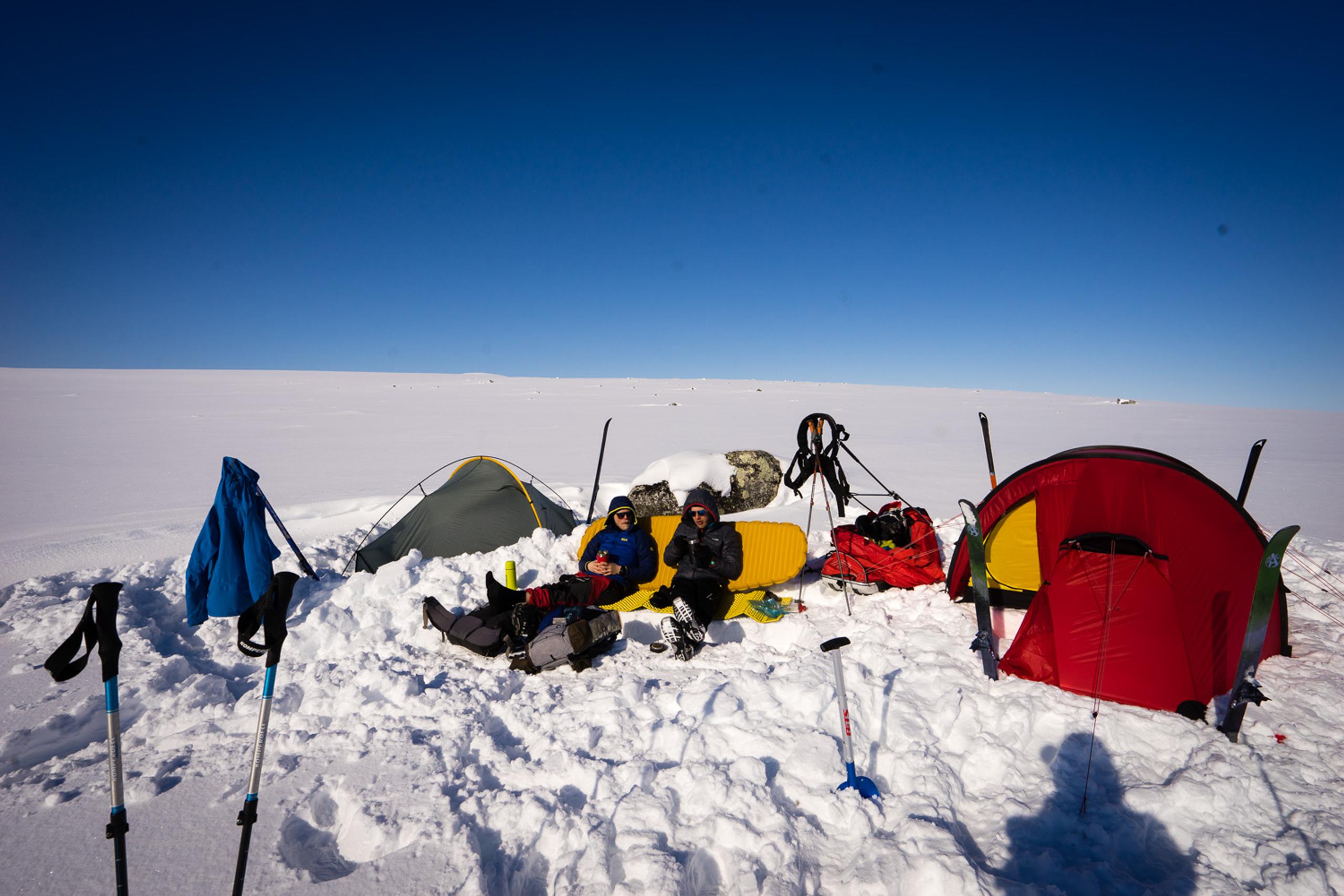
We use high-quality expedition tents, thick sleeping mats, and warm down sleeping bags — all designed for Arctic conditions. Each participant has their own gear, and your guide will always help you set up and check that everything is properly insulated.

Good routines make a big difference: changing into dry clothes, airing out the sleeping bag, and eating well before bed keep you warm through even the coldest nights.

See also blog: “Wild Camping in the Arctic.”

Is it safe?

Yes. All our guides are certified outdoor professionals with extensive experience in Arctic conditions. Every expedition carries satellite communication, first-aid equipment, and emergency supplies.

Routes are carefully planned and adapted to weather, snow, and group conditions. Safety is always our first priority — but it’s equally important that everyone feels comfortable and confident out there.

How do payments work?

Payments can be made securely online by credit card, bank transfer, or PayPal through our booking system.

Card payments are processed at the time of booking, as required by the system provider. If you prefer an invoice instead, we can issue one manually — in that case, the due date is always the first day of your trip.

We don’t require any deposits or advance payments beyond this, and you’ll always receive a full booking confirmation and payment receipt.

Can I join solo?

Absolutely. Most of our guests join solo, and it’s one of the things that makes these trips special — small groups, shared effort, and friendships that form naturally on the trail.

Tents or hut rooms are usually shared between two participants of the same gender, but private accommodation can sometimes be arranged before or after the expedition if preferred.

You’ll never feel alone out there.

What if the weather is bad?

Arctic weather can change quickly — sunshine, snowfall, and strong winds often come in the same week. Your guide follows local forecasts and adjusts the route each day to make sure conditions stay safe and enjoyable.

If the weather turns challenging, we adapt: shorter stages, earlier camps, or an alternative route. Flexibility is part of every expedition — and often what makes it memorable.

Articles

Real stories, insights, and advice from the people behind our expeditions.

Here you’ll find field notes, packing tips, and glimpses of daily life in the Arctic — written by the guides who live it.

14.11.2025

How to Pack for a Multi-Day Ski Tour

Smart packing is about teamwork and simplicity. We provide most of the gear, you bring your personal essentials — and...

14.11.2025

What a Day on a Ski Expedition Looks Like

Spend a day above the Arctic Circle and discover what life on a backcountry ski expedition really feels like — from the...

14.11.2025

Our Ski Equipment Explained

Our backcountry ski setup is built for Arctic reliability — wide skis with integrated skins, sturdy sleds, and matching...